Brushed Font: Authentic Texture for Handmade Brands
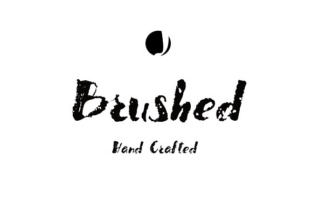
The smell of melted soy wax and dried lavender filled my small studio as I stared at the blank label template on my screen. I had spent weeks perfecting the candle recipe, but the branding felt flat. The clean, geometric sans serif I usually relied on looked too sterile against the rustic, earthy vibe of my new "Forest Floor" collection. I needed something that felt touched by human hands, something with grit and soul. That was the moment I discovered Brushed, a rough brush font from Script Amp that changed how I approach product presentation.
Installing the file was quick, but seeing it in action was immediate magic. As I typed out the scent name, the letters didn’t just sit on the page; they seemed to breathe. The edges were imperfect, mimicking the natural drag of a dry bristle across textured paper. It wasn’t messy, but it was undeniably authentic. For makers like us, who pour hours into crafting physical goods, having a typeface that mirrors that handmade effort is invaluable. This isn’t just a digital asset; it is a bridge between the digital design phase and the tactile reality of the final product.
Bringing Texture to Labels and Packaging
One of the most challenging aspects of running a handmade shop is ensuring your packaging tells the same story as your product. When I applied Brushed to my candle labels, the transformation was striking. The font’s rough edges complemented the recycled kraft paper I use for backing, creating a cohesive aesthetic that felt intentional and curated. It works exceptionally well for short phrases, product names, and decorative wording where you want to capture attention without overwhelming the design.
Beyond candles, this typeface shines on boutique tags and packaging inserts. Imagine a simple linen drawstring bag for jewelry or soaps. Printing a thank-you note or the brand logo in Brushed adds a layer of warmth that a standard computer font simply cannot achieve. It suggests care, artisanal quality, and a personal touch. For seasonal products, such as holiday gift tags or limited-edition boxes, the font’s organic feel helps create an emotional connection with the customer before they even open the package. It turns a generic box into a memorable unboxing experience.
Elevating Stationery and Event Design
My work isn’t limited to home fragrance; I also design printable stationery and custom invitations. Wedding couples often seek a balance between elegance and relaxed charm, and Brushed fits this niche perfectly. I recently used it for a rustic wedding welcome board design. Paired with a delicate, thin script for the couple's names, the bold, textured strokes of Brushed provided a beautiful contrast for the event details. It grounded the design, preventing it from feeling too floaty or fragile.
For greeting cards and planner pages, the font adds a playful yet sophisticated energy. Whether it’s a birthday card with a bold, hand-painted look or a monthly divider in a digital planner, the character of the letters keeps the viewer engaged. It is important to note that while Brushed is highly legible, its strength lies in display use. It is ideal for titles, headers, and short statements rather than long paragraphs of body text. Using it for headlines allows the texture to be appreciated without sacrificing readability, ensuring your message is both seen and felt.
Smart Pairing and Readability Tips
To get the most out of this creative font, understanding how to pair it is crucial. Because Brushed has a strong personality and visual weight, it pairs beautifully with clean, neutral typefaces. I often combine it with a simple sans serif font for subheadings or ingredient lists on labels. This contrast ensures that the essential information remains easy to read while the main title grabs attention. Alternatively, pairing it with a classic serif font can create a modern editorial look, perfect for high-end boutique branding or magazine-style social media graphics.
Readability is key, especially when designing for small formats like stickers or product tags. When using Brushed for cutting machines like Cricut or Silhouette, always test cut a sample first. The rough edges are part of the charm, but depending on the material—such as vinyl or cardstock—you may need to adjust the size to ensure the finer details don’t get lost. For printed materials, high-resolution files are essential to maintain the integrity of the brush strokes. Always preview your designs at actual size to ensure the text remains clear and impactful.
Licensing and Professional Use
As a commercial craft seller, respecting intellectual property is non-negotiable. Before integrating Brushed into your shop’s brand identity, always review the included license. Script Amp typically provides clear guidelines for commercial use, covering physical products, digital downloads, and merchandise. Understanding whether the license covers unlimited sales or requires an extended license for large-scale production is vital for protecting your business. Additionally, check the file formats included. Having access to OTF or TTF files ensures compatibility with major design software, while web fonts might be necessary if you are updating your online store’s typography.
Some font packages include alternates, ligatures, or swashes that can add further customization to your designs. Exploring these features can help you create unique logos or signature elements that set your brand apart. For instance, using a specific alternate character for a capital letter can make your logo more distinctive. Always keep your design assets organized and backed up, ensuring you have quick access to the right files when fulfilling orders or creating new marketing materials.
In the end, choosing the right typeface is about more than aesthetics; it is about communication. Brushed communicates authenticity, warmth, and craftsmanship. It tells your customers that behind every label, card, or sign, there is a person who cares about the details. By incorporating this rough brush font into your design toolkit, you elevate your handmade products from simple commodities to cherished items with story and soul. Whether you are designing for web, print, or physical merchandise, let the texture of your typography reflect the quality of your craft.